Arcane Device "Interrogator" Label: Tragic Figures – TFT020 Format: Cassette, Album, Limited Edition, C40 Country: Portugal Relea...
Escritos de Fernando Magalhães em Livro
Novo - Volume EXTRA
(publicado em 21.03.2025)
Agora em Portugal - BUBOK - clique na imagem
Novo - Volume 12 - 2004/2005
(publicado em 05.01.2025)
Agora em Portugal - BUBOK - clique na imagem
Novo - Volume 11 - 2003
(publicado em 03.01.2025)
Agora em Portugal - BUBOK - clique na imagem
Novo - Volume 10 - 2002
(publicado em 02.01.2025)
Agora em Portugal - BUBOK - clique na imagem
Novo - Volume 9 - 2001
(publicado em 29.12.2024)
Agora em Portugal - BUBOK - clique na imagem
Novo - Volume 8 - 2000
(publicado em 18.12.2024)
Agora em Portugal - BUBOK - clique na imagem
Novo - Volume 7 - 1999
(publicado em 16.12.2024)
Agora em Portugal - BUBOK - clique na imagem
Novo - Volume 6 - 1998
(publicado em 18.11.2024)
Agora em Portugal - BUBOK - clique na imagem
Novo - Volume 5 - 1997
(publicado em 07.09.2024)
Agora em Portugal - BUBOK - clique na imagem
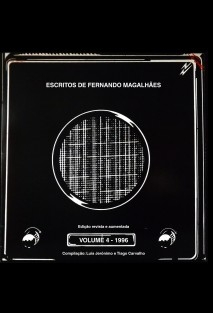
Novo - Volume 4 - 1996
(publicado em 30.04.2024)
Agora em Portugal - BUBOK - clique na imagem
Novo - Volume 3 - 1995
(publicado em 24.03.2024)
Agora em Portugal - BUBOK - clique na imagem
Novo - Volume 2.3 - 1994
(publicado em 19.02.2024)
Agora em Portugal - BUBOK - clique na imagem
Novo - Volume 2.2 - 1993
(publicado em 18.09.2023)
Agora em Portugal - BUBOK - clique na imagem
Novo - Volume 2.1 - 1992
(publicado em 23.05.2023)
Agora em Portugal - BUBOK - clique na imagem
Novo - Volume 1.2 - 1991
Agora em Portugal - BUBOK - clique na imagem
Novo - Volume 1.1 - 1988/1990
Agora em Portugal - BUBOK - clique na imagem
LULU (versões mais antigas - com alguns textos em falta, entretanto descobertos. Tal já não acontece com as versões mais actuais, publicadas agora na Bubok - Portugal - ver acima)
Volume 1 - 1988/1991
Volume 2 - 1992/1994 (460 páginas, formato maior que A4)
Volume 3 - 1995 (336 páginas, formato maior que A4)
Volume 4 - 1996 (330 páginas, formato maior que A4)
Volume 5 - 1997 (630 páginas, formato maior que A4)
Volume 6 - 1998 (412 páginas, formato maior que A4)
Volume 7 - 1999 (556 páginas, formato maior que A4)
Volume 8 - 2000 (630 páginas, formato maior que A4)
Volume 9 - 2001 (510 páginas, formato maior que A4)
Volume 10 - 2002 (428 páginas, formato maior que A4)
Volume 11 - 2003 (606 páginas, formato maior que A4)
Volume 12 - 2004/2005 (476 páginas, formato maior que A4)


.jfif)















_Bubok.jpg)



 Mensagens


